Table Of Content

So, you may have less space but you’ll use slightly higher-end materials like marble or exotic hardwood floors, nicer moldings, and nicer features. They include building the walls, constructing the foundation, adding a subfloor, fitting out with plasterboard, insulating the new structure, and installing a basic provision for electrics and plumbing. Adding a full second-story addition costs between $100,000 and $600,000 depending on the size of your home.
Make sure the flooring is laid at the same elevation
You’ll have to check with your local building codes to determine how far you can bump out a house. A footed bump-out extends the farthest, while a cantilevered bump-out extends four times the depth of your existing jolts and is the most common bump-out type. Adding more space by building a home addition comes with many great benefits, including increased space, increasing your home value, and the potential for a better quality of life. A new porch can add extra square footage to your home while also offering space to take a breath of fresh air. Modular or prefabricated rooms will generally cost between $20,000 and $30,000, or around $25 per square foot. This is a less expensive option for a home addition because it's manufactured and delivered to your property, but it often has fewer customization options.
Designing an extension: matching it with your existing home
Planning a loft conversion? Why costs are going through the roof - The Guardian
Planning a loft conversion? Why costs are going through the roof.
Posted: Sun, 31 Oct 2021 07:00:00 GMT [source]
Sheds, garages and storage areas will naturally cost less than other additions. They do not always require HVAC access, insulation and expensive interior decor, but still require complex features such as garage doors, lighting and a slab foundation. On average, a garage home addition costs between $15,000 and $62,000 whereas a shed can cost as little as $2,000.
Smart ways to make an addition less of a budget-buster
Building up is generally cheaper than adding on, which can be a major consideration if you’re on a tight remodeling budget. Builders don’t need to be nearly as concerned about preserving the existing structure when adding a new floor. However, factors that restrict the exterior of the house can greatly increase the cost of building up. The cost of adding a basement to an existing house costs between $10,000 and $175,000.
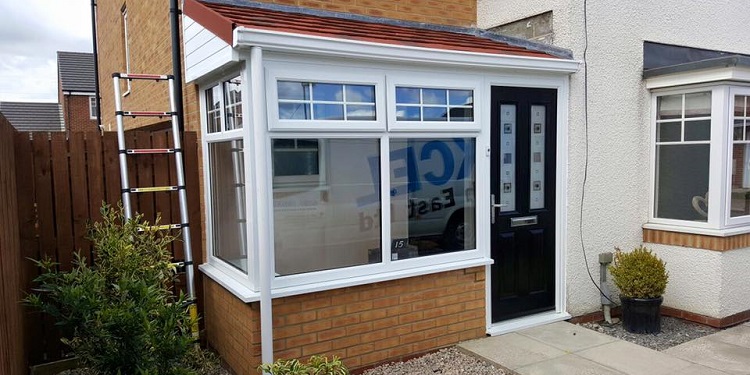
In short, building an extension is likely to cost around £1,500-£2,250/m² of new internal space (excluding VAT). So a 30m² kitchen extension could be estimated at somewhere between £45,500-£67,500, plus, VAT at 20%. DIY conservatories can cost as little as £3,000, and come in a range of standard designs, ready for installation by you or your builder.
Foundation Materials and Installation
If you would like to find out how Refresh Renovations can support you with a high quality, efficient home renovation, get in touch today. Your local Refresh Renovations consultant will be happy to meet with you for a free, no obligations consultation. The ceiling height between old and new spaces should, ideally, be the same.
Bedroom Extension Cost
More complex builds will need a structural engineer and an architect. Only these overarching professionals will be able to paint the larger picture and build a budget with your specifics. The size, type and design of an addition make an obvious impact, but many local and labor-related prices tip the scales as well. Downstairs, merging indoor and outdoor spaces will make both the extension's interior and the garden feel bigger and cohesive – ideal if you've had to significantly reduce the latter's size to make way for the extension. You can achieve this with wide bi-fold or sliding doors overlooking the garden.
Cost of Adding a Second Story by Square Footage
These figures have been updated in 2022 following recent price increases in construction costs, according to a survey of architects and designers on Design for Me. An attached double garage measuring 28m² could be turned into extra living space at a basic cost of £850 to £1,050 per m². To then integrate this space into the existing house by removing the partition wall – replacing it with an RSJ – will add around £5,000 to the cost. As mentioned above, you probably won’t need planning permission for this type of extension. The current permitted development regime allows single storey side extensions up to a maximum of 4m high and a width no more than half that of the original house.
This is one of the least expensive home addition options, but it also tends to add the smallest amount of space to a home. A 50-square-foot mudroom, including storage and built-in organization systems, costs around $12,000. Expect to spend $8,000 to $11,000 for a simple sunroom or upward of $80,000 for a 200-square-foot space with electrical wiring and heating. Adding a bathroom costs around $35,000, while adding a more luxurious and larger bathroom of 100 square feet will cost about $90,000. Bathrooms are a more expensive addition because they require plumbing, plus fixtures like showers and toilets. A home addition is the expansion of a residential property by adding new living space or rooms.
Most architects, designers and builders will offer to manage the project for you; this will involve making sure all materials and trades are on site at the relevant time, and managing the timescale and budget. You may want to carry out this role yourself, but it can be very time consuming. To exaggerate the effect created by the doors, you could run continuous flooring from inside to out, giving the impression of both areas being one space. Stone floors that run from the kitchen out onto a patio are a good example. Having a stone floor that looks as good in the extension as on the patio can create an expansive feel. ‘Make sure the stone you choose will work outside and in, and make sure both are fitted to a solid substrate,’ says Jo O’Grady, marketing director at Stone Age.

As a smaller bedroom for children to a master suite addition of around 400 sq.ft. Bedroom additions can also have other elements like a closet, shelves, radiant flooring, a fireplace, a TV, or air conditioning, all of which drive up the project costs. The ideal space for a home theater is 20 feet long by 13 feet wide and should be relatively isolated from the rest of the house. They may be added to basements or existing spaces or built onto your home if you do not have the space. Because of the need for acoustic materials and equipment costs, they can have a wide range of costs.
The average build cost figures used by the Extension Cost Calculator assume the same costs per square metre for constructing a full basement as used for calculating ground floor space. This assumes straightforward ground conditions and a water table basement level. Depending on where you live, construction costs can vary drastically from one location to another. Similar to how home prices with the same square footage can fluctuate remarkably between markets, so can the cost of an addition.
‘There are a range of different options available for bi-fold doors, from two-door models through to large eight-door configurations, set-ups for bay arrangements and entire 90-degree corner sections,’ explains Neil Ginger. ‘The price of bi-fold doors varies but, as a guide, a bespoke, aluminium design would cost from £1,200 per door leaf. Doors and windows for your new extension will affect its appearance both inside and out. Getting their positions, sizes and shapes, framing materials and sightlines just right will make the new extension blend with the original house, and can affect how much daylight reaches the room. Use our guide to creating an open plan living space for more tips and inspiration.
Assuming the garage's existing foundations can take the load, building a room on top is much more cost-effective alternative to building a new extension – plus you won't be sacrificing garden space to gain a new room. Whether you're project managing or just ordering your own materials to save money, getting the timings of deliveries right to save on wasted labour costs is vital. 'A site with no one working on it is costly, so materials need to arrive in plenty of time,’ advises Steven Way, practice principal at Collier Stevens Chartered Surveyors. A builder will add 15 to 25 per cent on to the total cost of labour and materials to cover their time for managing the project. So you can save on the cost of an extension by effectively taking on the role of project managing an extension.




No comments:
Post a Comment